
I have tested many online casino safety suites across the Canadian market, and I always handle each one with a good measure of skepticism. Many operators tack a few links onto the footer and call it a day. SlotRave Casino, however, positions its responsible gaming panel front and center of the account dashboard, not buried three layers deep. I aimed to find out if the tools really perform under real-world conditions, not merely in a compliance checklist. Across two weeks, I set up deposit limits, wagering caps, session timers, and even activated a self-exclusion to grasp the entire flow. I documented how quickly limits locked in, whether reality checks showed up at the right intervals, and how transparent the reporting appeared from a player’s point of view. This is not a theoretical review based on a policy page. Every observation came from browsing the live platform on desktop and mobile while logged into an active Canadian player account. If you have ever questioned whether SlotRave’s responsible gaming features hold up when you actually need them, my hands-on walkthrough provides you with the unfiltered picture.
Why I Decided to Test SlotRave’s Responsible Gaming Suite
I have dedicated years playing on Canadian-facing casino platforms, and I have witnessed the complete range of player protection tools spanning from genuinely helpful to purely cosmetic. What grabbed my attention about SlotRave Casino was the visible “Safer Gambling” icon that shows up inside the main navigation bar, not concealed behind a tiny text link. In Ontario and other provinces, regulators are demanding more proactive player controls, and I sought to see if SlotRave was authentically ahead of the curve or just fulfilling a requirement. The brand presents itself as an entertainment-first casino, so I felt it was only fair to evaluate its responsible gaming toolkit against that promise. I created a fresh account, made a small deposit via Interac, and spent the first session simply exploring the limits section before I ever placed a single wager. My goal was not to assess the games themselves but rather the protective scaffolding around them. I intentionally chose a weekday evening when I knew I would be slightly tired, a scenario many recreational players encounter, to see if the session timer and pop-up alerts would effectively pull my attention away from the screen. That hands-on, slightly fatigued mindset offered me a much more honest assessment on the effectiveness of every control I encountered.
Staking Boundaries and Their Real Function
Most recreational users comprehend the difference between a deposit ceiling and a wagering limit, but SlotRave distinguishes them clearly. I established a daily staking ceiling of 200 dollars, implying I could not make a single bet that exceeded that amount nor could my aggregate stakes in a day exceed that threshold. I purposely tried a high-volatility slot with a top wager of 20 dollars, and after ten spins, the game ceased allowing further bets even though I still had a winning balance from a modest victory. A polite message explained that I had triggered my personal wagering cap and proposed to guide me to the responsible gambling section to review my settings. What I liked best was that the restriction extended not just to slots but also to real-time dealer games, where I attempted to place a 50-dollar baccarat hand that would have taken the tally over. The dealer table declined the chip placement without fuss, avoiding any awkward public interaction. That consistency across verticals shows the limit is rigidly programmed at the account level rather than being a per-game fix. Players who configure these boundaries can still cash out or play demo games, preserving the gaming experience open without jeopardizing a discipline slip.
My Opening Step: Setting Up the Account with Limits
Immediately after completing the know-your-customer verification, I navigated to the “Responsible Gaming” tab from the account menu. The interface loaded quickly, grouping tools into four clean categories: deposit limits, wagering limits, session time limits, and self-exclusion. I began by setting a daily deposit cap of 50 Canadian dollars, which felt realistic for a mid-week test. I clicked save, and the system required me to confirm the change via a six-digit code sent to my registered email address. That two-factor prompt struck me because it stops impulsive limit reductions that could be executed by someone else using an unlocked device. Within seconds, the cap showed on my balance screen with a clear visual indicator indicating how much of my daily allowance remained. I then attempted to override the limit by initiating a second deposit of 30 dollars, which would have pushed me past the 50-dollar ceiling. The cashier declined the transaction instantly, presenting a calm but firm message explaining the active restriction and notifying me exactly when the limit would reset. There was no aggressive upselling, no prompt to reconsider, just a straightforward block. That cold stop is exactly what a well-designed tool should do.
The Reality Check Alerts: Do They Help or Annoy?
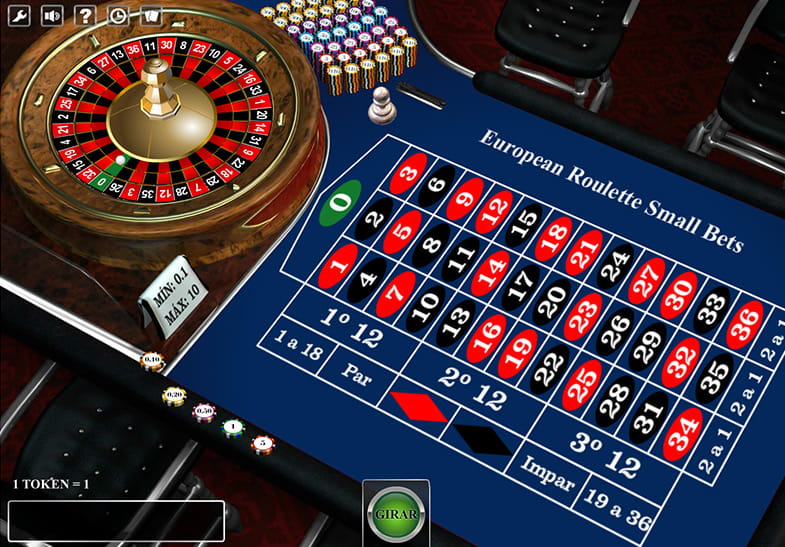
I inherently question reality check pop-ups because many of them train you to click “OK” without looking at a single word. To test SlotRave’s implementation, I took part in a rapid-fire roulette game for 30 minutes with reality checks set to appear every 15 minutes. Each pop-up paused gameplay entirely, necessitating a deliberate click on either “Continue Playing” or “End Session.” The buttons were the same size, eliminating any visual bias toward continuing. I also recorded the delay before the pop-up could be dismissed: a three-second mandatory reading window that presented my current balance, time played, and total wagered. That forced pause is short enough not to disturb immersion but extended enough to break autopilot mode, which is exactly what a reality check should accomplish. I observed that after the third alert, I automatically decreased my betting pace, even though I had no intention of stopping. The behavioural nudge was understated but quantifiable in my own play log later. One downside I saw was that the pop-up did not adapt its message based on my loss pattern, indicating whether I was up or down, the same generic stats appeared. A dynamically tailored note would elevate the tool further.
How Mobile Usability Affects Real-World Tool Usage
Since over half of Canadian casino traffic is generated by smartphones, I duplicated my entire responsible gaming test on an iPhone operating the SlotRave mobile web version. The limits panel adapted gracefully to a single-column layout, and none of the buttons or sliders got too small for a thumb press. Deposit limit adjustments on mobile required the same two-factor email confirmation, which is critical on a device that may be unlocked and handed to a partner or child. The reality check pop-ups on mobile consumed the full screen, that at first felt aggressive but eventually proved more effective as I could not simply click a small “X” in the corner. Session timers appeared as a persistent banner at the bottom of the screen rather than a corner icon, something I actually preferred because my thumb naturally rested near the notice. My only friction point was that the game history spreadsheet felt cramped on the mobile viewport, making me to pinch and zoom to read column headers. In spite of that minor layout quirk, the core protective functions remained fully operational without any compromise. For a player who only ever visits the casino on a phone, the tools do not feel a second-class experience.
Play Session Limits and Reality Checks
I configured a session timer of 45 minutes because I know from experience that my concentration starts to fade right around that mark https://slotravecasino-ca.ca/. The countdown appeared subtly as a small clock icon in the top corner of the screen, never obstructing the game grid. When the timer hit five minutes remaining, a soft yellow banner emerged with a non-intrusive chime suggesting I finish my current round. At exactly 45 minutes, the screen gently faded, and a full-page overlay inquired whether I wanted to extend my session, log off, or review my play history. I deliberately opted to extend by 15 minutes just to see if the system would nag me repeatedly. Instead, it restarted the clock and gave me a fresh timer without any guilt-tripping language, just reiterating my personal limit. That respectful tone is tricky to get right, but SlotRave managed to feel like a concerned friend rather than a scolding parent. I also tried the reality check intervals, which can be set to 30, 60, or 90 minutes. Every alert included my session duration, net win or loss so far, and a direct button to view my deposit history, making it impossible to overlook the financial picture.
Exclusion Choices: Time-Out vs. Permanent
SlotRave offers a granular self-exclusion range that commences with a 24-hour cooling-off interval and reaches all the way to permanent account closure. I tried the 7-day time-out first because it embodies the most common use case of a player who thinks a short break is enough. After validating my choice through the same two-factor email verification, my account immediately blocked me out. Any attempt to log in showed a simple message indicating the exclusion was active and revealing the exact date and time it would lift. Marketing emails ceased arriving within a few hours, which tells me the exclusion integrates with the CRM system properly rather than operating only on the login page. I also explored the permanent exclusion path without confirming it. The wizard clearly detailed the consequences: account closure, irreversible loss of loyalty points, and the inability to create a new account using the same personal details. The language was firm but not threatening, and a direct link to provincial problem gambling resources in Ontario, British Columbia, and Quebec appeared in the same flow. This localised referral counts enormously for Canadian players who might need to speak to someone in their own time zone.
- 24-hour cooling-off: immediate lock, no marketing contact, auto-lift after expiry
- 7-day to 30-day time-out: same features, cannot be reversed by support
- 6-month exclusion: full account freeze, loyalty points preserved but inaccessible
- Permanent self-exclusion: irreversible, triggers final balance payout within 5 business days
Deposit Restrictions: Adjustable but Rigid
SlotRave Casino offers daily, weekly, and monthly deposit limits that you can adjust on the fly, but the cooling-off mechanic is where the system demonstrates sophistication. When I attempted to raise my daily cap from 50 to 100 dollars, the interface immediately informed me that increases take 24 hours to become effective, while decreases apply right away. I got a clear countdown timer showing the remaining time until the new higher limit would activate, and a confirmation email was delivered within two minutes. That asymmetry is a gold standard in responsible gaming design because it takes away the ability to chase losses in a heated moment. I also checked the weekly limit feature by setting a low amount of 150 dollars while I already had 120 dollars in play for the week. The system determined automatically my remaining availability and prevented any deposit that would breach the weekly threshold, even when the daily cap still had room. This layered approach matters for Canadian players who allocate their entertainment across a pay cycle rather than just a single evening. During my tests, I did not discover a loophole, not through crypto deposits, not by switching payment methods from Interac to MuchBetter.
Accessing Your Game History and Financial Reports
Openness matters more to me than any gentle cap, so I devoted a full hour examining the game history and financial reports inside my account. SlotRave records every hand with a timestamp, title, bet amount, and result. You can filter by interval, game category, or exact name, which allowed me to extract just my real-time blackjack sessions from a single evening. The financial report compiles deposits, payouts, promotions used, and net position into a exportable PDF that any member can save and provide with a financial planner or a therapist. I checked the document for accuracy against my own tracker and discovered no differences over a week-long period. What stood out to me beyond the unprocessed info was the simple overview at the top: “Over the last 7 days, you deposited $200, wagered $1,450, and have a current withdrawable balance of $88.” That statement gives an immediate sobering look without any criticism. Canadian users who track their entertainment budget like a recurring plan will discover this format immediately helpful, and the download button means you never have to depend on the casino’s interface alone to store data.
Common Questions
Is it possible to undo a permanent self-exclusion at SlotRave Casino?
Absolutely not. Permanent self-exclusion is irreversible by design. After you confirm the exclusion through the two-factor authentication step, your account is shut down for good. The remaining funds is returned to you via your original deposit method within five business days, and you may not open a new account using the same identity details. SlotRave’s system flags personal information to prevent re-registration. This strict policy complies with the guidelines set by Canadian regulators and guarantees the exclusion serves as a genuine barrier rather than a temporary pause.

Are reality check notifications adapt to my playing behaviour?
Right now, the reality check pop-ups show your session duration, net position, and total wagered at fixed intervals you set beforehand. They do not currently change their messaging based on whether you are exhibiting signs of chasing losses or playing faster than usual. The alerts are still useful as a pattern interrupter because they create a deliberate pause, but I would appreciate a future update that introduces contextual nudges. For now, the tool depends on your own self-awareness rather than automated behavioural analysis.
Are session limits visible across all devices?
Absolutely. When you log in via desktop browser, mobile web, or the dedicated app, your active limits sync immediately across all platforms. I confirmed this by setting a daily deposit cap on my laptop and then making a deposit on my phone five minutes later. The mobile cashier refused the transaction and showed the same remaining allowance. The back-end system employs a unified account flag, so there is no method to circumvent a limit by switching devices or clearing cache.
What becomes of my loyalty points during a time-out?

During a short cooling-off period, your loyalty points and any pending bonus funds are left untouched in your account. You cannot access them while the time-out is active, but they come back right away once the exclusion lifts. During a permanent self-exclusion, all loyalty points are lost, which the system clearly warns about before you confirm. If you are on a 6-month exclusion, points are locked but saved, so you pick up where you left off if you decide to come back after the period ends.